
Classical Christian

What is Classical Christian Education?

At its heart, classical Christian education believes that every child is uniquely created in the image of God with gifts, abilities, and purpose.

Education is not simply about preparing students for the next test or the next grade. It is about helping them discover truth, cultivate virtue, and become the people God created them to be.

Why Families Are Rediscovering Classical Christian Education

For generations, classical Christian education has helped form thoughtful leaders, faithful disciples, and lifelong learners. Today, more and more families are rediscovering this proven approach because they want more than higher test scores. They want an education that nurtures curiosity, builds character, strengthens faith, and prepares children to live wisely in God’s world.

Unlike many modern educational models that emphasize information alone, classical Christian education teaches students how to think, reason, communicate, and pursue wisdom. It combines rigorous academics with joyful learning, meaningful relationships, and a biblical worldview woven throughout every subject and every school day.

Parents today are asking:

Classical Christian education offers a different path.

The Stages of Learning

Classical Christian education recognizes three natural stages of learning, known as the Trivium: Grammar, Logic, and Rhetoric.
Grammar
Building a Strong Foundation

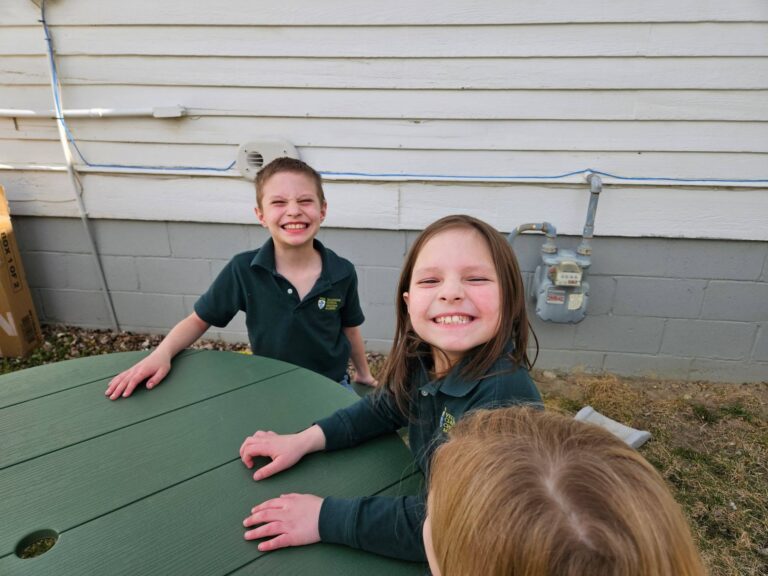
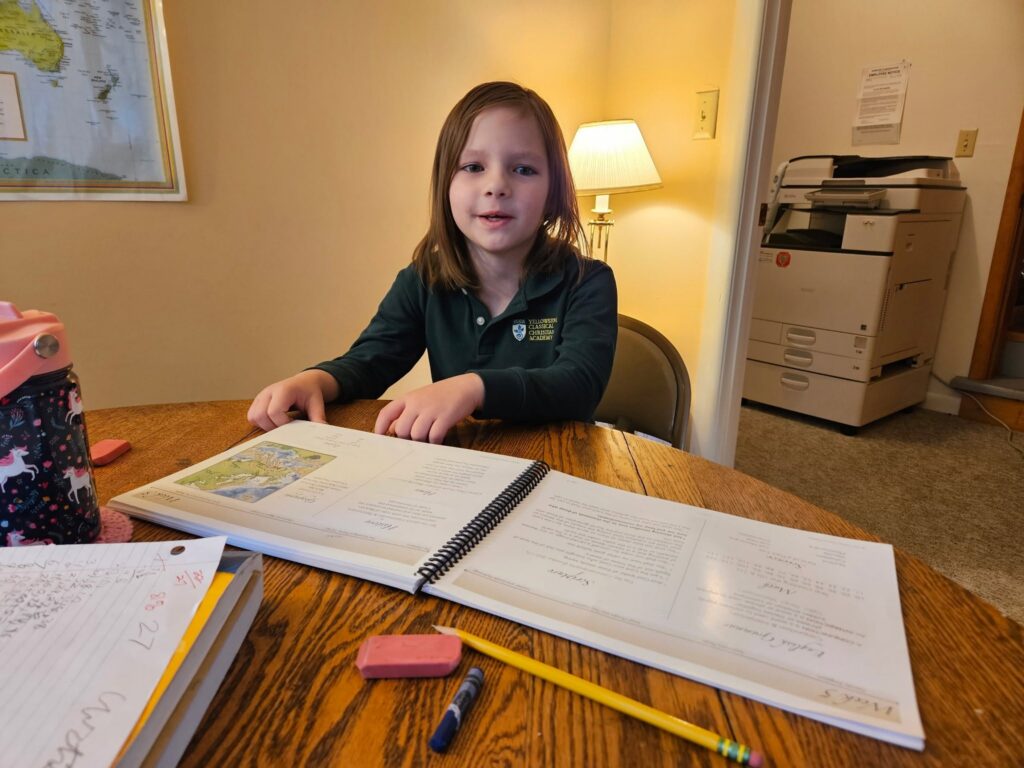
Young children are naturally eager to learn. They delight in songs, stories, facts, and repetition. During the Grammar Stage, students build a rich foundation of knowledge while developing curiosity, strong learning habits, and a joyful love of discovery.
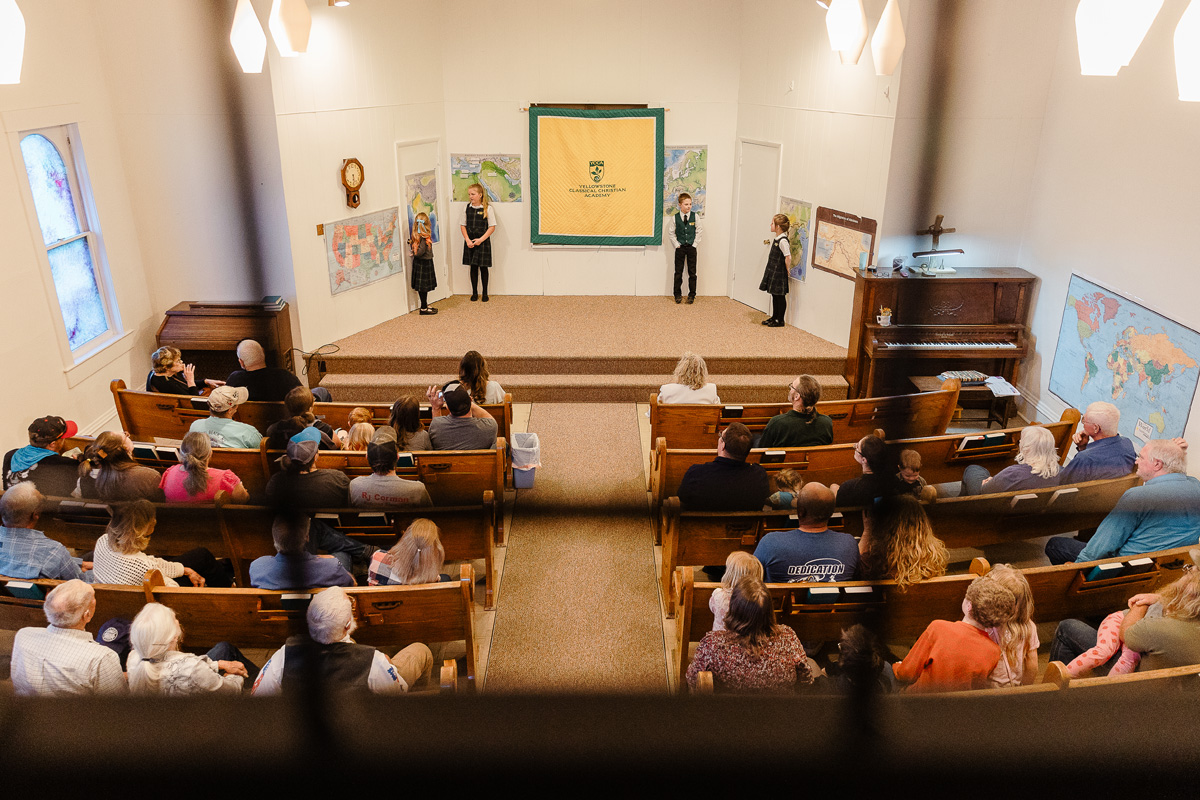

STENE26_springrecitations_print-48
Logic
Learning to Think Clearly
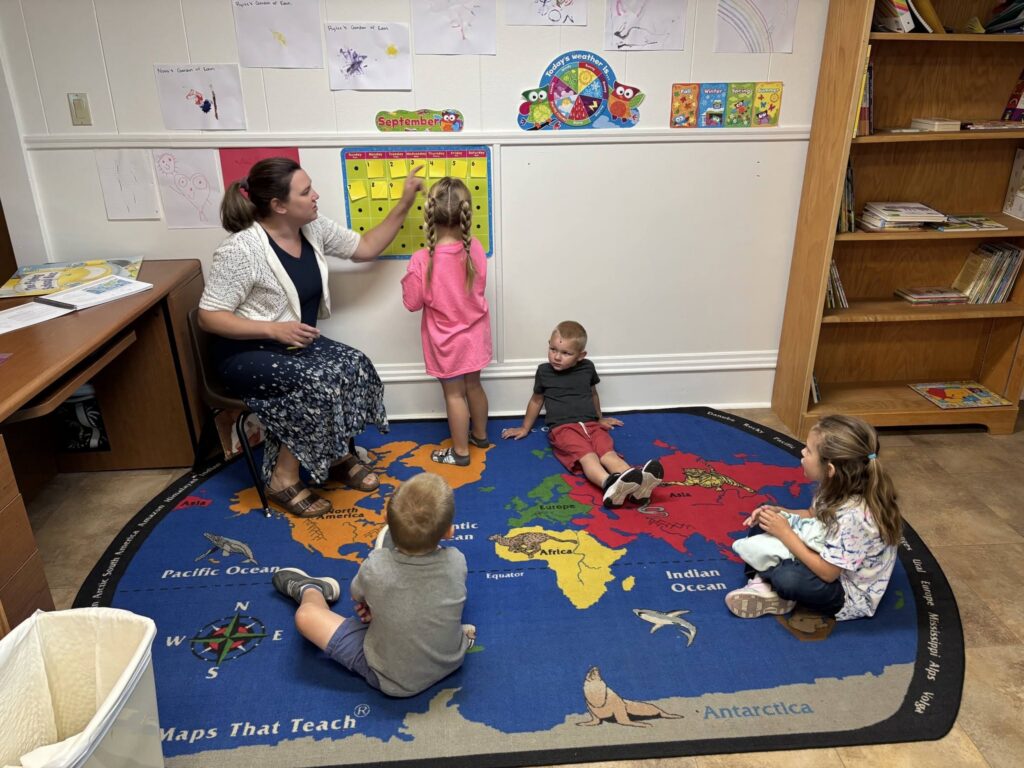
As students mature, they naturally begin asking "why." The Logic Stage teaches them to reason carefully, recognize patterns, evaluate ideas, and think critically about the world around them.
Rhetoric
Communicating with Wisdom and Confidence
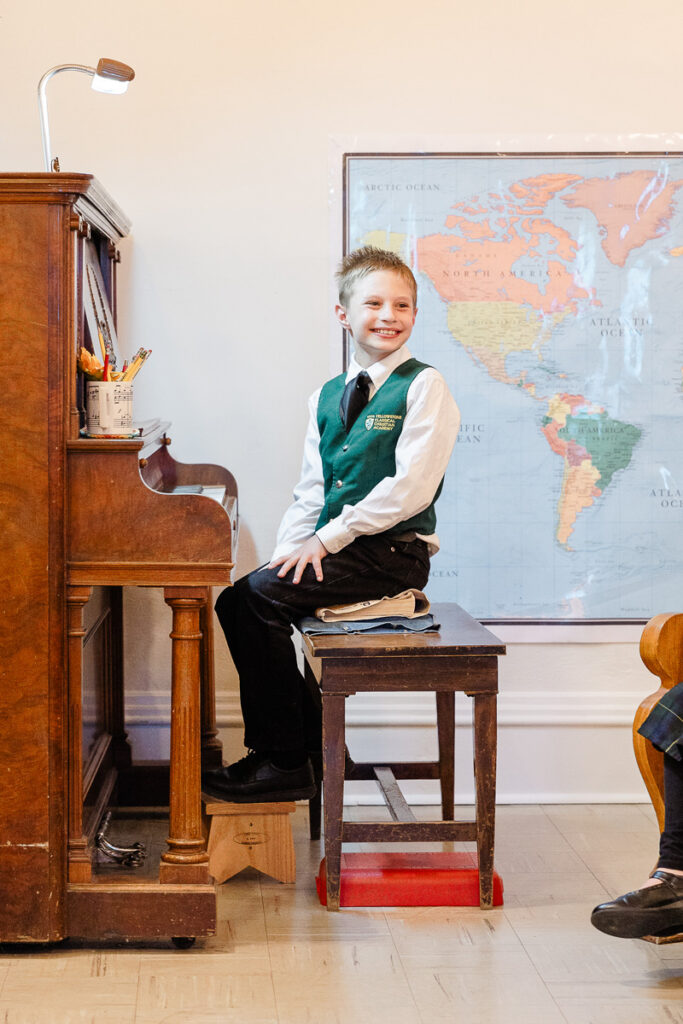
As students grow, they learn to express ideas with clarity, conviction, and humility. The goal is not simply persuasive speaking, but communicating truth with wisdom, grace, and confidence.

The Stages of Learning

Classical Christian education recognizes three natural stages of learning, known as the Trivium: Grammar, Logic, and Rhetoric.
571789491_683826308106250_7733443508510243923_n
Grammar
Building a Strong Foundation

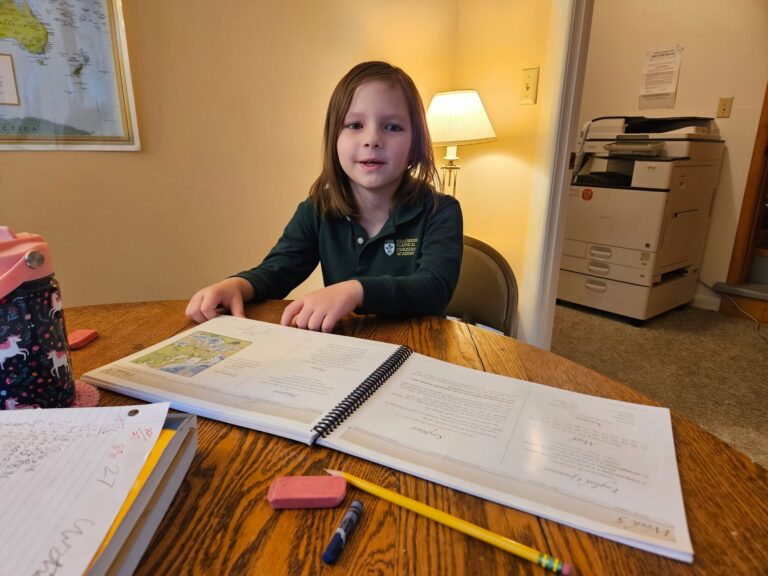
Young children are naturally eager to learn. They delight in songs, stories, facts, and repetition. During the Grammar Stage, students build a rich foundation of knowledge while developing curiosity, strong learning habits, and a joyful love of discovery.
695753052_833496369805909_8199453992591056361_n
Logic
Learning to Think Clearly
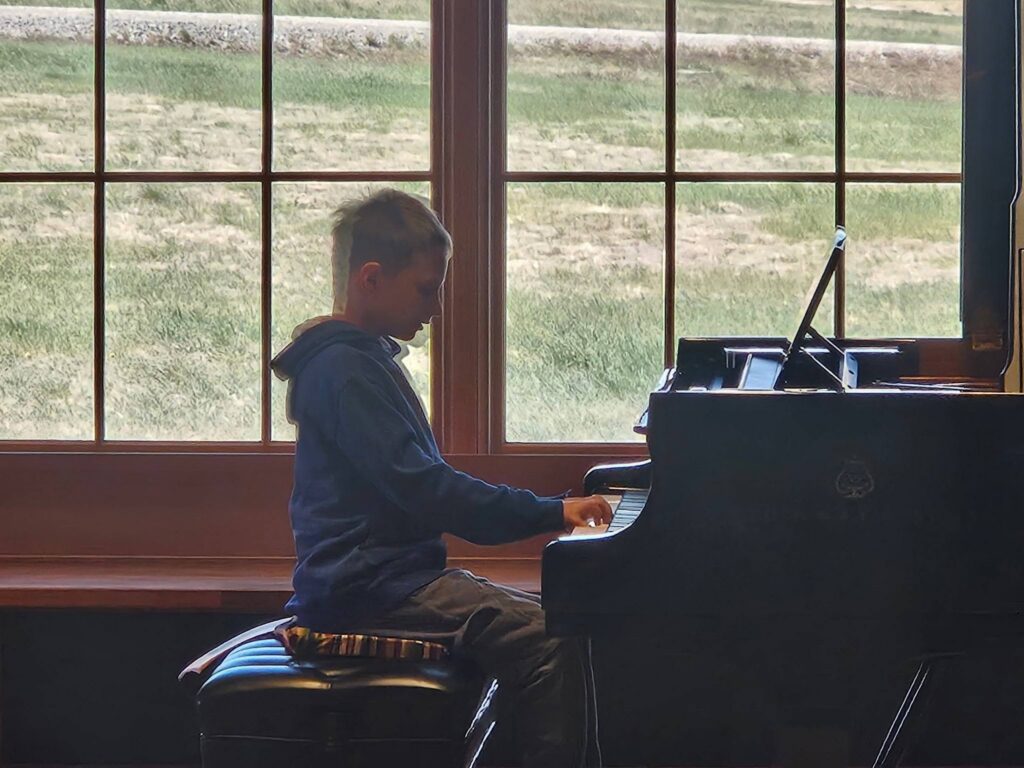
As students mature, they naturally begin asking "why." The Logic Stage teaches them to reason carefully, recognize patterns, evaluate ideas, and think critically about the world around them.
658906769_801626596326220_453018451912429686_n
Rhetoric
Communicating with Wisdom and Confidence
As students grow, they learn to express ideas with clarity, conviction, and humility. The goal is not simply persuasive speaking, but communicating truth with wisdom, grace, and confidence.

Seeing the whole picture

A Rich, Connected Education

Classical Christian education invites students into a lifelong pursuit of truth, goodness, and beauty. Instead of simply mastering isolated subjects, they learn to see connections, ask meaningful questions, delight in discovery, and recognize God’s fingerprints throughout His world.

Scripture & Prayer

Reading & Literature

History & Storytelling

Mathematics

Science & Discovery

Latin

Recitation

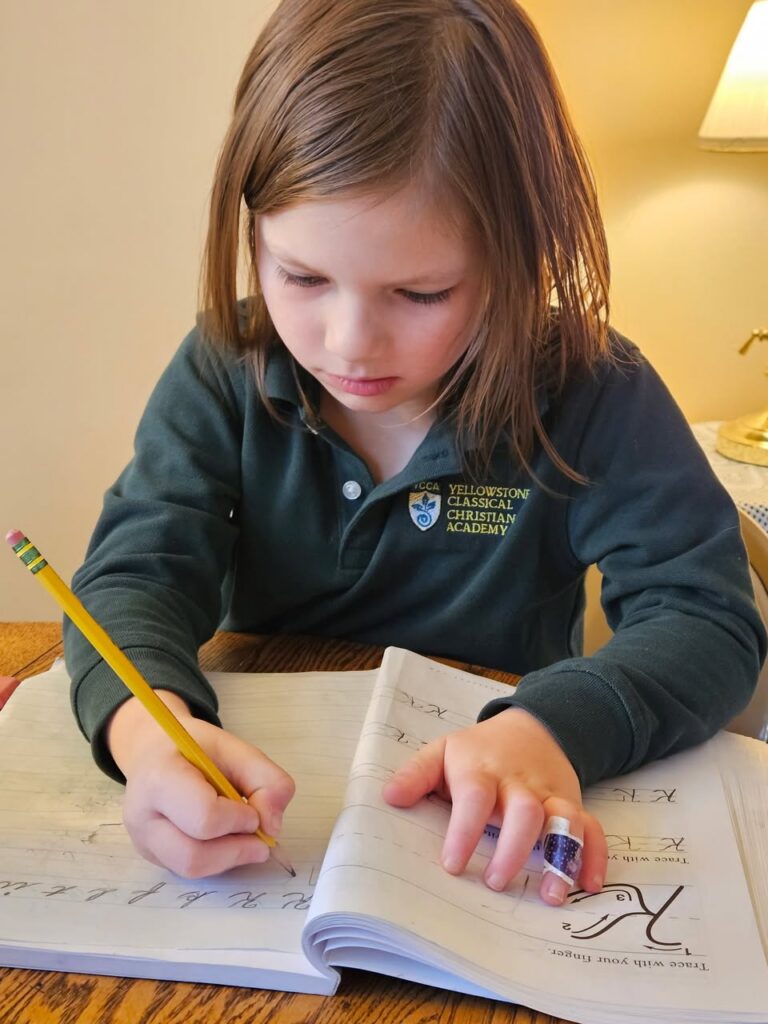
Grammar & Writing

Discussion & Socratic Dialogue

Music & Choir

Art & Creativity

Nature & Outdoor Learning

Character & Responsibility

Community Life

Wonder & Curiosity

The Three Foundations of Classical Christian Education

Paideia

Forming the Whole Person
Children are formed in wisdom, virtue, and faith through daily habits, meaningful relationships, joyful learning, and the pursuit of what is true, good, and beautiful.

Liberal Arts

Teaching Students How to Think
Students study language, mathematics, science, history, music, and the arts as one connected story, learning to think clearly and communicate with confidence.

Great Books

Learning From the Best Ideas in History
Students read timeless stories and primary sources that spark discussion, develop discernment, and connect them to the great ideas that have shaped history.

personal invitation

We'd love to meet your family

“Choosing a school is one of the most important decisions you’ll make for your child, and I know it isn’t one you take lightly.

Whether you’re just beginning to explore your options or you’ve been praying about this decision for months, I’d love the opportunity to get to know your family, answer your questions, and show you what makes Yellowstone Classical Christian Academy so special.

I would be honored to welcome you, hear your story, and help you discern whether YCCA is the right fit for your family.”

Joyfully,

Virginia
Head of School

The Good Soil Study

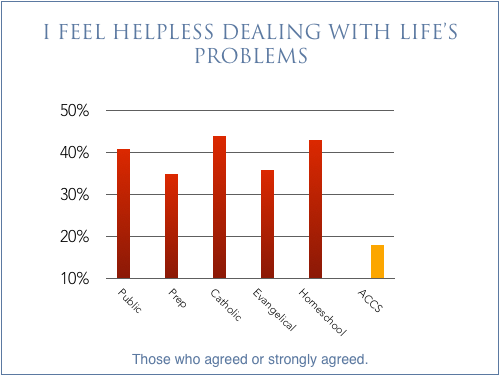
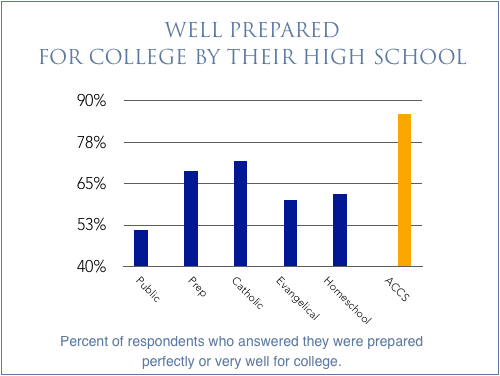
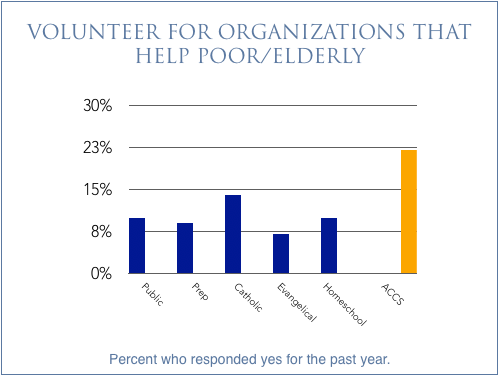
What happens when classical Christian students grow up? The Good Soil Study followed graduates into adulthood and found meaningful differences in areas like faith, relationships, community involvement, and life satisfaction, offering a compelling look at the long-term impact of classical Christian education.